How to Write a Product Positioning Statement: Template and Examples

Most product teams cannot clearly explain what makes their product different. Sales conversations require too much explanation. Marketing messages fail to resonate. Executives, product managers, and sales directors describe the value proposition differently when asked. The root cause is unclear positioning. Geoffrey Moore's positioning statement template from "Crossing the Chasm" solves this problem by forcing you…

Comments Off on How to Write a Product Positioning Statement: Template and Examples

Product Risk Management: The 4 Types Every Product Manager Must Master

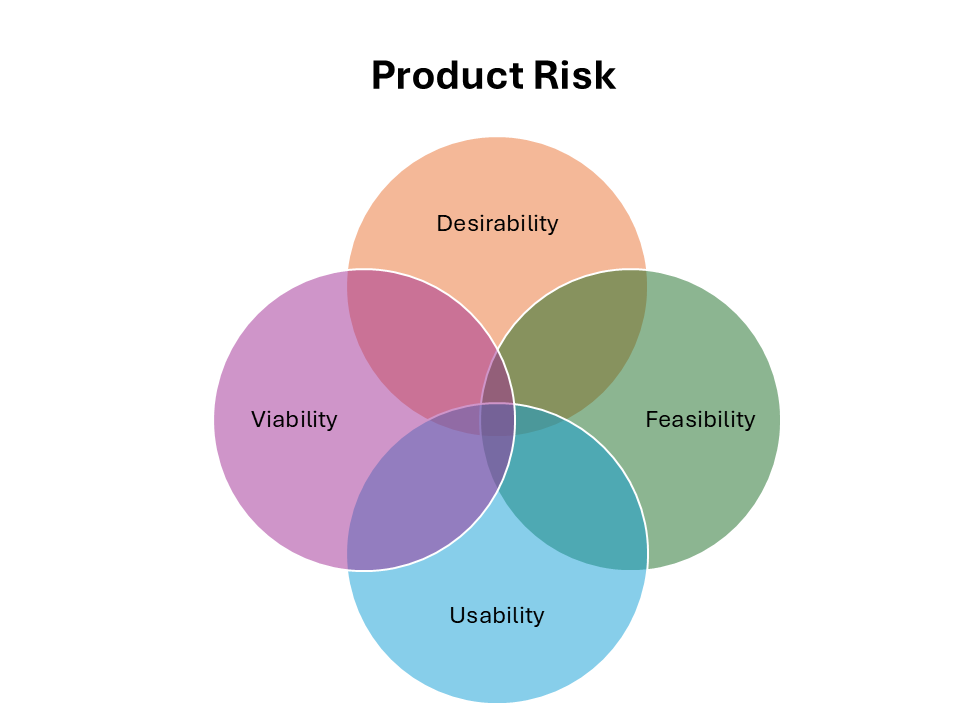
Product management is risk management. While most product managers focus on building features users want, success requires navigating four distinct risk types that can derail even promising ideas: desirability, feasibility, usability, and viability risks. Understanding how to identify, validate, and manage these product development risks separates successful products from expensive failures. Desirability Risk: Validating Customer Demand…

Comments Off on Product Risk Management: The 4 Types Every Product Manager Must Master

Business Model Canvas: A Strategic Framework for Product Managers

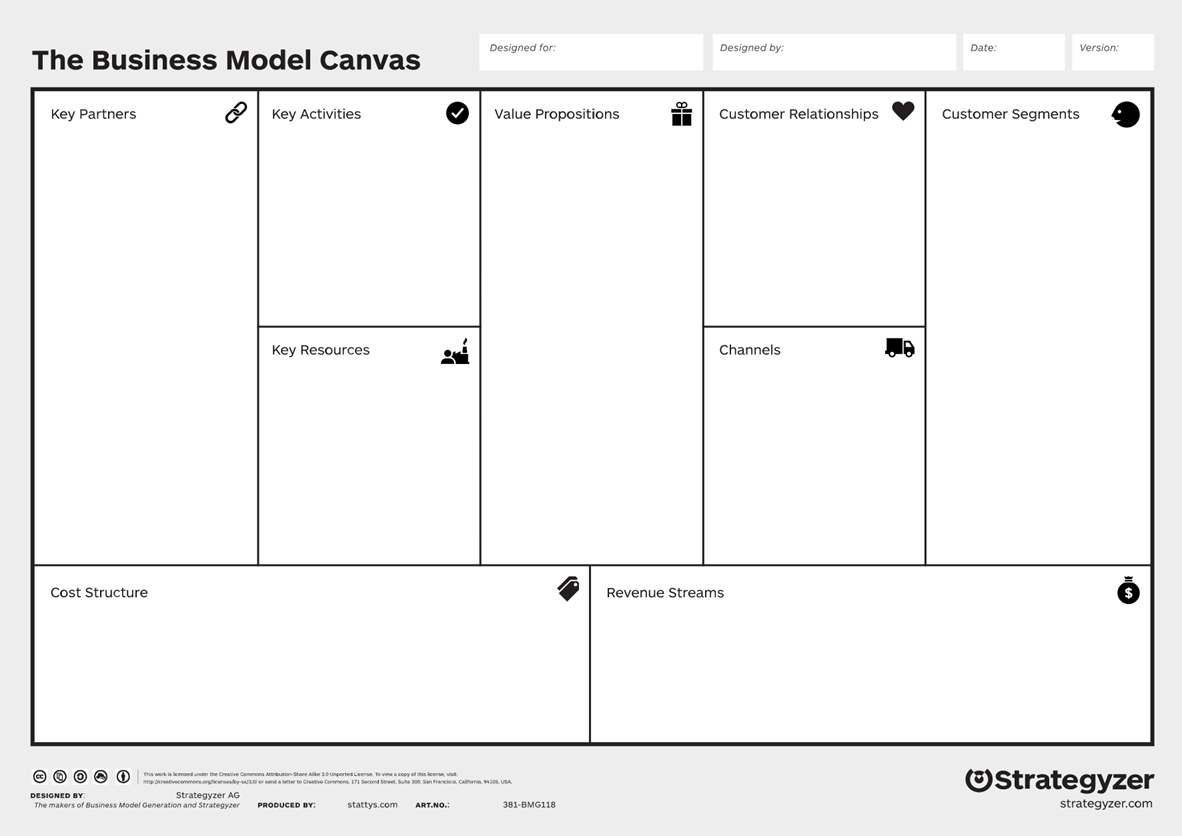
Business Model Canvas: A Strategic Framework for Product Managers You're proposing a new product line that requires subscription pricing instead of one-time purchases. The CFO asks how this affects revenue predictability. The CMO wants to know if it changes customer acquisition costs and strategies. The CTO questions whether you need different billing and metering systems. Each…

Comments Off on Business Model Canvas: A Strategic Framework for Product Managers

The Product Manager’s Guide to Technical Debt: Understanding and Managing Code Quality

As a product manager, you've probably heard your engineering team mention "technical debt" during sprint planning or retrospectives. Maybe they've pushed back on a feature request, citing the need to "pay down technical debt first." Or perhaps you've noticed that what used to take two weeks now takes six, and when you ask why, the answer…

Comments Off on The Product Manager’s Guide to Technical Debt: Understanding and Managing Code Quality

Value Proposition Canvas Customer Profile Strategy: How Focus Drives Product Success

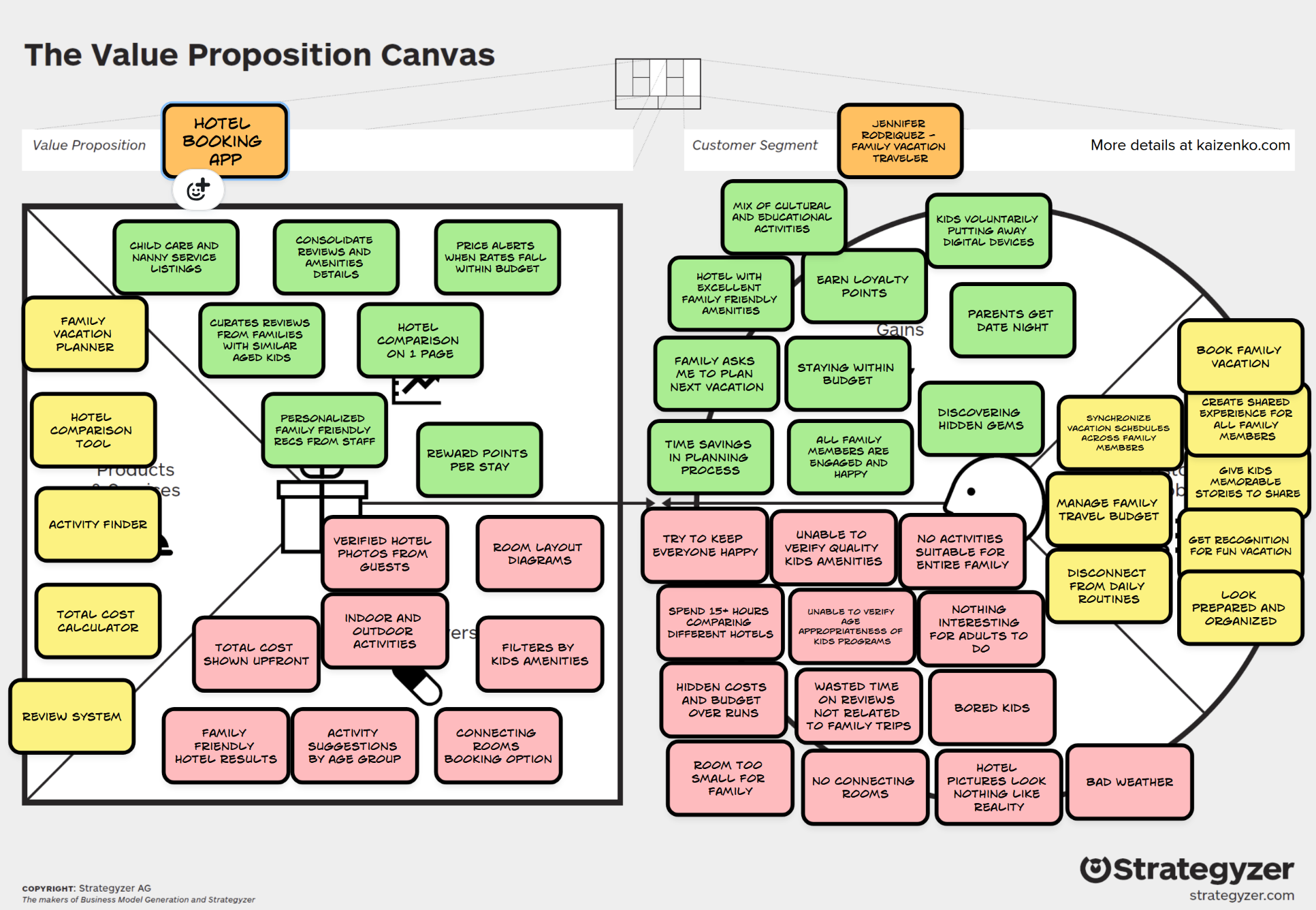
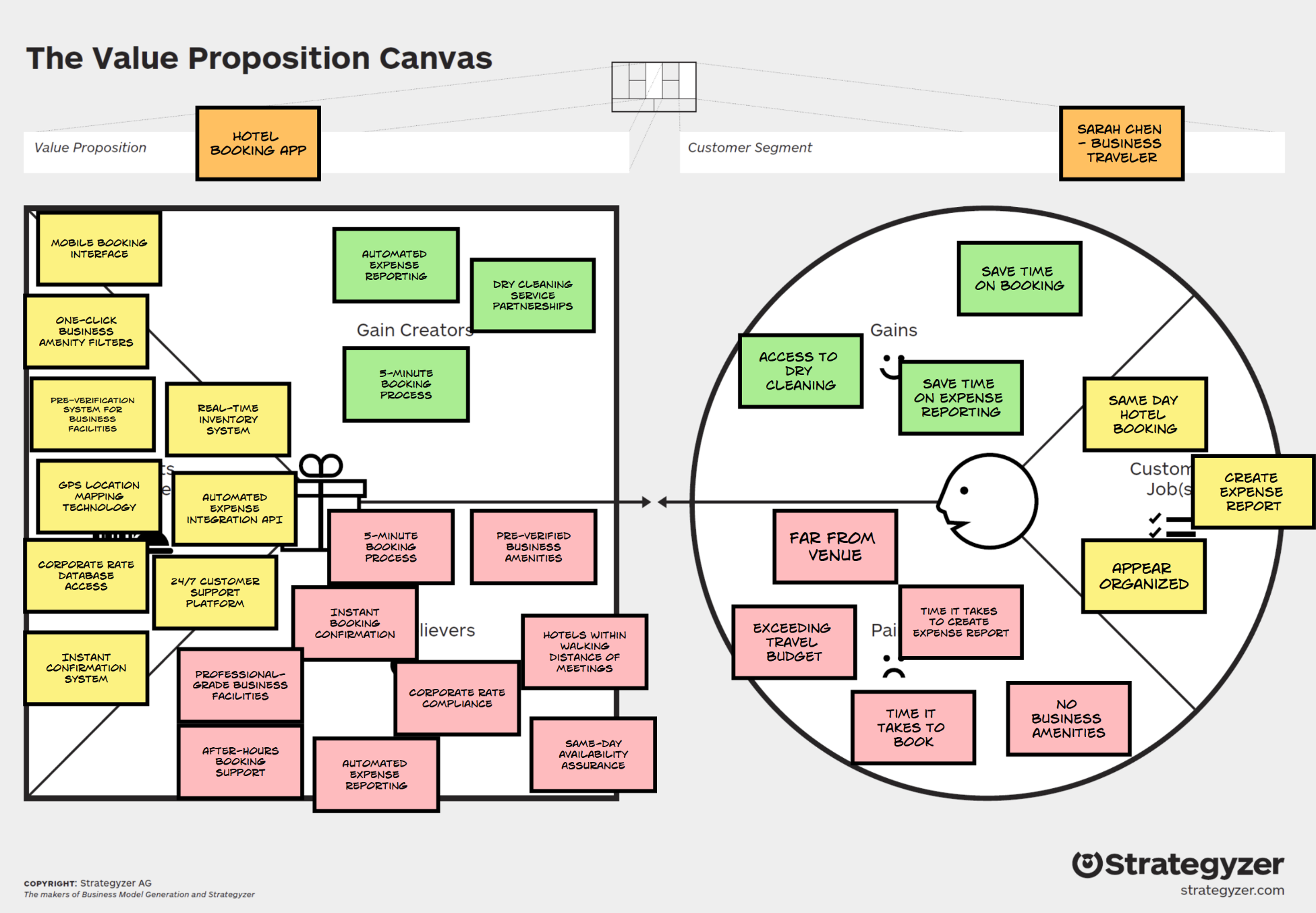
The Value Proposition Canvas helps product teams make a critical strategic decision for their products: should you serve multiple customer types with one product, or focus deeply on a single customer profile? This customer segmentation choice often determines whether products achieve remarkable market success or deliver mediocre results across multiple segments. Understanding how to leverage customer…

Comments Off on Value Proposition Canvas Customer Profile Strategy: How Focus Drives Product Success

Value Proposition Canvas: Essential Guide for Product-Market Fit

Many new products fail because they solve problems customers don't have or don't care about. The Value Proposition Canvas ensures you build what customers actually need. It is a strategic tool that helps companies transform customer insights into successful products by creating perfect alignment between customer needs and product offerings. What Is the Value Proposition Canvas?…

Comments Off on Value Proposition Canvas: Essential Guide for Product-Market Fit

How to Create Personas That Drive Product Decisions

Many product teams build personas that nobody uses. They spend weeks researching demographics and behaviors, create detailed profiles, then watch them gather dust while teams make decisions based on assumptions anyway. The problem isn't with personas themselves but with how teams build and implement them. Effective personas require specific structure and intentional integration into daily workflows.…

Comments Off on How to Create Personas That Drive Product Decisions

Jobs to Be Done Framework: The Product Manager’s Guide to Building Products Customers Actually Want

When a fast-food chain wanted to sell more milkshakes, they tried everything. New flavors. Different prices. Better marketing. Nothing worked. Then researchers asked a different question: "What job are people hiring a milkshake to do?" The answer revolutionized how we think about product development. The Jobs to Be Done (JTBD) framework examines why customers "hire" products…

Comments Off on Jobs to Be Done Framework: The Product Manager’s Guide to Building Products Customers Actually Want

Product Team Focus: Input vs Output vs Outcome vs Impact

Product teams often struggle with measuring what truly matters. Are we shipping enough features? Are users engaging? Are we moving the business needle? The confusion stems from conflating four distinct concepts: input, output, outcome, and impact. Teams frequently focus on shipping features rather than changing user behavior, leading to products that technically work but don't create…

Comments Off on Product Team Focus: Input vs Output vs Outcome vs Impact

Project Management vs Product Management: 10 Key Differences For Smart Teams Making the Switch

Learn why teams are switching from project management to product management. Discover key differences, benefits, and practical steps for software development success. Ever delivered a project perfectly on time and on budget, only to watch it sit unused by customers? This disconnect between execution success and business impact reveals a fundamental gap in how traditional project…

Comments Off on Project Management vs Product Management: 10 Key Differences For Smart Teams Making the Switch

Product Model Principles: A Brief Guide

The product model, as developed by Marty Cagan and the team at Silicon Valley Product Group, represents how the world's most successful technology companies actually build products. These principles guide how companies like Google, Apple, Netflix, and Amazon consistently deliver exceptional value to their users. Here's what separates companies that create products customers love from those…

Comments Off on Product Model Principles: A Brief Guide

How to Handle Scope Creep in Scrum: A Guide for Agile Teams

Picture this: You're three weeks into a sprint when your stakeholder drops by with "just one small addition" to the feature you're building. Sound familiar? Welcome to what traditional project managers call scope creep. But here's the thing about scope creep in Scrum: it doesn't exist. Not because requirements don't change (they absolutely do), but because…

Comments Off on How to Handle Scope Creep in Scrum: A Guide for Agile Teams
Read more about the article Product Discovery and Validation: 10 Proven Techniques for Better Products
Product Management Training and Coaching

Product Discovery and Validation: 10 Proven Techniques for Better Products

Building products without validating them first is like cooking without tasting. You might get lucky, but more often than not, you'll end up with something nobody wants to consume. Product discovery isn't just a nice-to-have in your development process. It's the foundation that determines whether your product will solve real problems or just add to the…

Comments Off on Product Discovery and Validation: 10 Proven Techniques for Better Products

How to Use Design Sprints to Validate Product/Market Fit

Design Sprints is a discovery technique created by Jake Knapp and popularized in his book Sprint - How to solve big problems and test new ideas in just 5 days, based on techniques he used helping teams while working at Google Ventures. Design sprints are not a part of Scrum and the Design Sprint concept differs…

Comments Off on How to Use Design Sprints to Validate Product/Market Fit

Creating Powerful Sprint Goals: A Practical Guide for Agile Teams

How to Write an Effective Sprint Goal? Crafting effective Sprint Goals is essential for Scrum team success. A well-written Sprint Goal provides focus, direction, and purpose for your team's work during each Sprint. This guide will show you exactly how to create Sprint Goals that drive meaningful outcomes. What Makes a Sprint Goal Effective? Great Sprint…

Comments Off on Creating Powerful Sprint Goals: A Practical Guide for Agile Teams