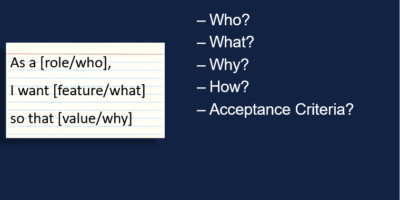
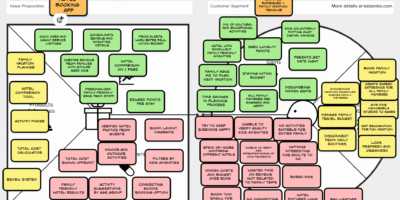
The Product Owner accountability, as originally defined, gives one person complete ownership of a product: understanding customers, defining problems worth solving, shaping solutions, and prioritizing work. They have strategic autonomy, budget authority, and accountability for outcomes.
In practice, organizations use Product Owner as a catch-all title for anyone managing product work, regardless of actual authority or accountability. Some Product Owners are accountable for product outcomes and business results. Others are accountable only for delivering what was specified on time. Some are accountable for service reliability and stakeholder satisfaction. The title remains constant while the actual accountability varies wildly.
This matters because calling Project Managers, Business Analysts, and Platform Owners “Product Owner” creates confusion about who owns what decisions, sets people up in roles that don’t match their strengths, and obscures what actually needs to happen for product work to succeed.
Short-Term Project Initiatives

This Product Owner manages a series of time-boxed initiatives, typically three to six months each, with defined deliverables. They move between different problem spaces rather than deepening expertise in one domain. Accountability is for hitting deadlines and delivery milestones. This Product Owner is really a Project Manager delivering scope on deadlines.
The work is tactical execution: getting briefed on requirements, understanding enough to ask clarifying questions, breaking work into manageable pieces, tracking progress, and managing stakeholder expectations. There’s no time for deep domain expertise or thorough discovery. Success comes from execution discipline: keeping things moving, identifying blockers early, and hitting deadlines.
Success gets measured by delivery milestones met, not whether features achieve intended outcomes. When problems arise, the Product Owner escalates and leadership adjusts scope or timeline.
Handoff happens inconsistently. Sometimes decisions get documented and knowledge transferred. Often whoever inherits the work figures things out on their own. Long-term stewardship and outcome measurement aren’t part of the accountability.
Executing Someone Else’s Initiative

This Product Owner receives a defined initiative from leadership. The what and usually the why are decided. Their accountability is for clarifying requirements and coordinating delivery on time. This Product Owner is really a Business Analyst or Technical Program Manager translating strategy into implementation.
The work centers on requirements clarification. Leadership vision arrives high-level and sometimes vague. Converting this into specific, actionable requirements involves constantly asking clarifying questions, identifying gaps, and making the implicit explicit. When constraints or conflicts arise, the Product Owner escalates to leadership rather than resolving them independently.
Coordination dominates the day-to-day work. Managing dependencies across teams, tracking progress, reporting status, and ensuring the right people are involved at the right time. The Product Owner keeps the initiative moving forward and makes sure everyone understands what’s expected.
Scope typically gets managed through deferrals rather than cuts. When deadline pressure builds, the Product Owner asks leadership which features to push to later phases. The initiative rarely shrinks, it just gets sequenced differently. Success is delivering what was requested, on time, with acceptable quality.
Managing Internal Shared Services

This Product Owner delivers platforms, tools, or services used by other teams in the organization. Their customers are internal, adoption is rarely voluntary in practice, and accountability centers on service reliability and stakeholder satisfaction. This Product Owner is really a Platform Owner managing internal services.
The work is driven by internal politics and competing demands. Multiple teams want different things, often contradictory. The Product Owner serves whoever has the most political influence or whose needs align with leadership priorities. Service reliability and backward compatibility dominate because breaking changes create organizational conflict.
Adoption usually happens through mandate or elimination of alternatives. Leadership declares the platform the standard, funding for competing tools gets cut, or it becomes the path of least resistance. The framing might be “enabling teams” but the reality is often closer to compliance.
The work is largely reactive: responding to requests, maintaining existing systems, fixing integration issues, and managing support burden. Innovation happens when there’s capacity left after keeping things running. Demonstrating value involves showing cost avoidance or risk reduction, and funding decisions typically come from leadership judgment about what the organization needs.
Full Ownership: Customer, Problem, and Solution

This is the actual Product Owner accountability as defined in the Scrum Guide by Ken Schwaber and Jeff Sutherland. They own the complete problem space: identifying the target customer, defining problems worth solving, and shaping solutions. They have budget authority, influence over team composition, strategic latitude, and accountability for product outcomes and business results.
The work centers on strategic decision-making and commercial judgment. Which market segments to pursue. Whether to build, buy, or partner. How to position against competitors. This requires understanding unit economics, customer acquisition costs, and how product decisions impact business outcomes. Feature investments need business justification beyond customer requests.
Operating without clear answers defines the hardest part of this accountability. Success depends on testing assumptions systematically, making decisions with incomplete information, and changing direction when evidence contradicts initial hypotheses. Product Owners who need explicit direction or struggle with ambiguity fail quickly.
Customer research here goes beyond gathering feedback. They design discovery processes, synthesize conflicting input, and develop conviction about which customer problems matter. The failure mode is either analysis paralysis or jumping to solutions before understanding the problem.
Why This Matters
When organizations call everyone Product Owner, real problems follow. You hire someone expecting strategic product work and put them in a coordination role. Or you hire for coordination and get someone who wants strategic autonomy. Either way, misaligned expectations create frustration and turnover.
People think they’re developing Product Owner capabilities when they’re actually developing project management or business analysis skills. When they try to move to actual product ownership roles, they lack the strategic judgment and discovery skills those roles require.
Most critically, when no one actually owns product outcomes because everyone’s focused on delivery, products drift. When results disappoint, it creates confusion about who is accountable.
Project Managers, Business Analysts, and Platform Owners are legitimate roles organizations need. Give them titles that reflect what they actually do. If you’re building products that require innovation, customer discovery, and strategic decisions, you need the actual Product Owner accountability defined in the Scrum Guide.
Developing this accountability requires focused training. Product Owners need the ability to own customer problems, drive product strategy, and make decisions with incomplete information. Our Building Innovative Products Workshop and Advanced Certified Scrum Product Owner build these skills through hands-on practice with customer discovery, strategic product decisions, and outcome-focused product management.