7 C’s of Team Effectiveness: Research-Based Framework for Team Performance

Discover the 7 C's framework for high-performing teams based on 30+ years of research. Learn how capability, cooperation, and coordination drive real results. You know that feeling when everything clicks on a team? When projects flow smoothly, everyone's in sync, and you actually enjoy the work? That's not luck. It's the result of specific, measurable factors…

Comments Off on 7 C’s of Team Effectiveness: Research-Based Framework for Team Performance

7 Facilitation Techniques That Actually Get Everyone Talking

No More Meeting Monopolizers Ever been in a meeting where the same three people dominate every discussion? You know the situation. The loudest voice wins, the senior person talks over everyone, and meanwhile, your quieter or more junior team members are sitting there with brilliant ideas they never get to share. Here's the thing about traditional…

Comments Off on 7 Facilitation Techniques That Actually Get Everyone Talking

How to Give and Receive Feedback Using Radical Candor

Ever been in that awkward spot where you need to tell someone their work isn't cutting it, but you're worried about hurting their feelings? Or maybe you've received feedback that felt like a personal attack? Welcome to the feedback struggle that most of us face daily. Kim Scott's "Radical Candor" gives us a better way. It's…

Comments Off on How to Give and Receive Feedback Using Radical Candor

The 12 Essential Attributes of High-Performing Product Teams

A Guide to Product Team Excellence Ever wonder why some product teams consistently ship amazing features while others struggle to meet basic deadlines? The difference isn't just talent. It's how these teams operate. In today's competitive landscape, the way your product team functions can make or break your success. The best teams share 12 key attributes…

Comments Off on The 12 Essential Attributes of High-Performing Product Teams
Read more about the article Team Effectiveness Models: 8 Frameworks for Product Leaders
Building High Performing Teams

Team Effectiveness Models: 8 Frameworks for Product Leaders

Product managers and product development leaders encounter countless references to team effectiveness models—from Tuckman's stages to Google's research to Lencioni's dysfunctions. But which insights actually matter for building high-performance product teams? This guide explains the most popular models and shows how to apply their key elements using one practical visual framework. Building high-performance teams requires understanding…

Comments Off on Team Effectiveness Models: 8 Frameworks for Product Leaders

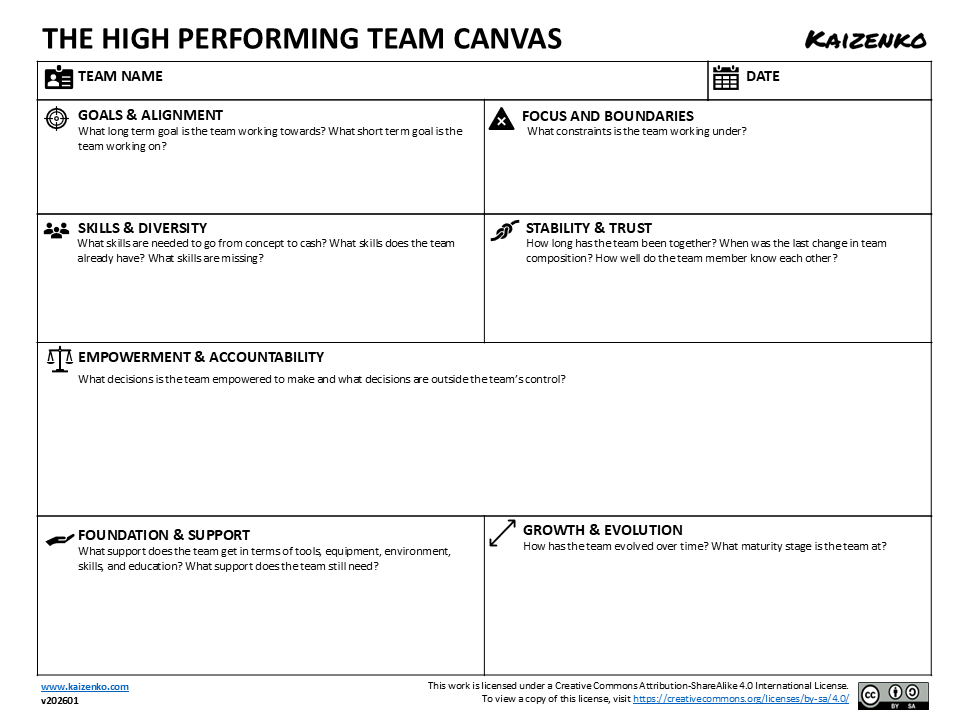
The High Performing Team Canvas

The High Performing Team Canvas: A Powerful Tool for Team Development and Assessment Building high-performing teams doesn't happen by accident. It requires deliberate attention to specific elements that create the conditions for excellence. The High Performing Team Canvas provides a structured framework that helps leaders and teams identify, visualize, and develop the critical components needed for…

Comments Off on The High Performing Team Canvas

Teaching vs. Mentoring vs. Coaching vs. Facilitation

Depending on the situation and the context, a Scrum Master might switch stances between teaching, mentoring, coaching, and facilitation. These are some of the stances a Scrum Master might take and below is a brief description of the difference between them: Teaching Teaching is about knowledge sharing. A Scrum Master has some knowledge to share with…

Comments Off on Teaching vs. Mentoring vs. Coaching vs. Facilitation

Creating Powerful Sprint Goals: A Practical Guide for Agile Teams

How to Write an Effective Sprint Goal? Crafting effective Sprint Goals is essential for Scrum team success. A well-written Sprint Goal provides focus, direction, and purpose for your team's work during each Sprint. This guide will show you exactly how to create Sprint Goals that drive meaningful outcomes. What Makes a Sprint Goal Effective? Great Sprint…

Comments Off on Creating Powerful Sprint Goals: A Practical Guide for Agile Teams

Why is a Sprint Goal Important?

The Real Impact of Sprint Goals on Agile Team Success Every successful Scrum Sprint centers around a clear Sprint Goal that delivers a meaningful Product Increment. This isn't just a nice-to-have. It's what transforms random work items into a cohesive effort that builds toward your long-term vision. What Exactly Is a Sprint Goal? The Sprint Goal…

Comments Off on Why is a Sprint Goal Important?
Read more about the article Delegation Board for Fostering a Self-Organizing Team
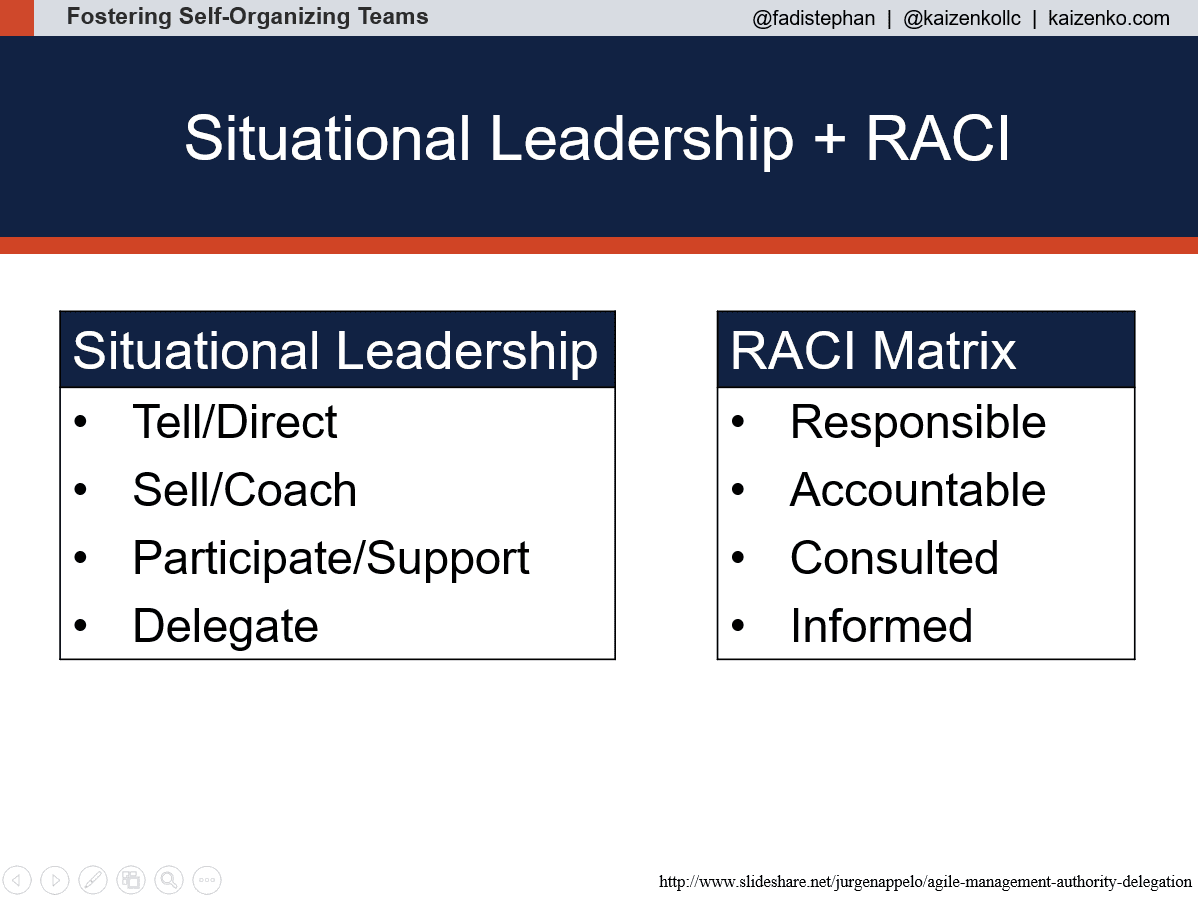
Situational Leadership + RACI - Management 3.0

Delegation Board for Fostering a Self-Organizing Team

Creating high-performing self-organizing teams doesn't happen by accident. It requires deliberate leadership approaches that evolve with the team's development. One of the most challenging aspects for leaders is determining how much decision-making authority to grant their teams at various stages. Without clarity around authority boundaries, teams either hesitate to make decisions or overstep in ways that…

Comments Off on Delegation Board for Fostering a Self-Organizing Team
Read more about the article 7 Attributes of a Self-Organizing Team
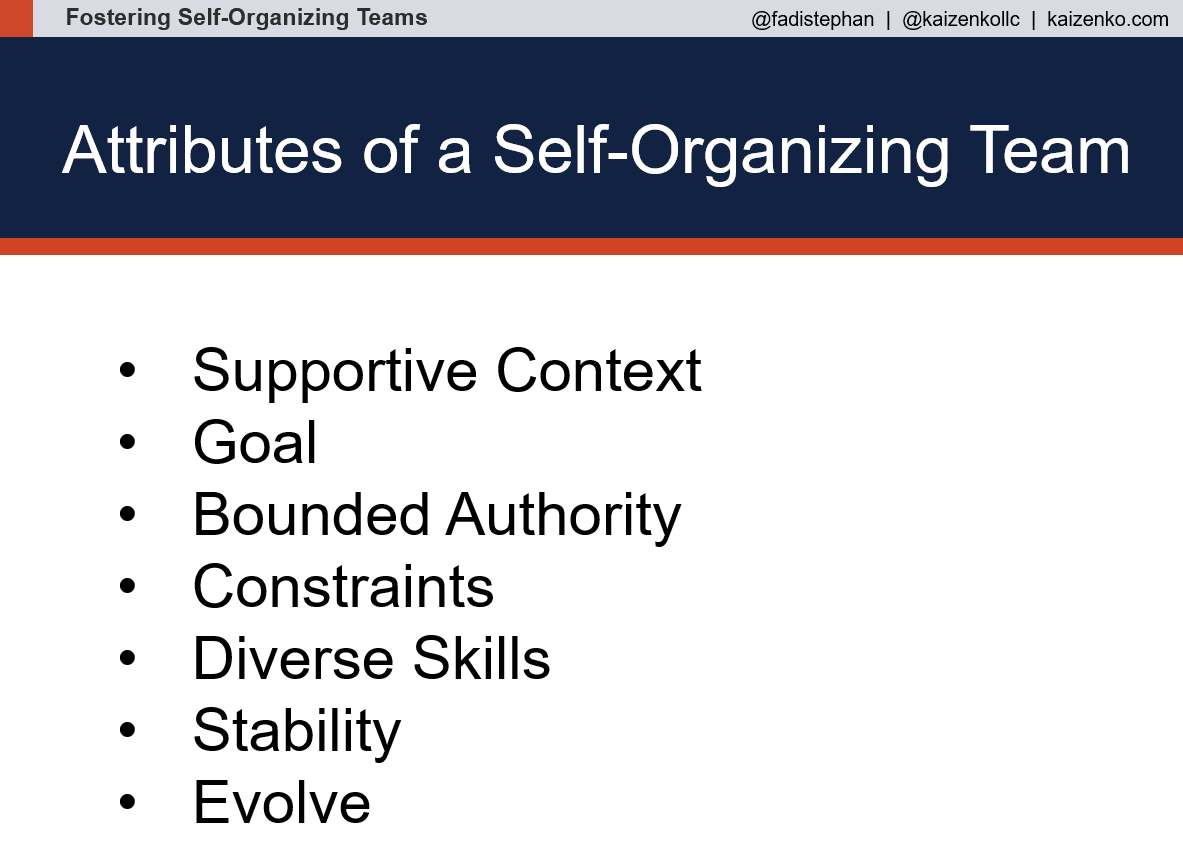
7 Attributes of a Self-Organizing Team

7 Attributes of a Self-Organizing Team

We know that self-organizing teams can drive innovation and deliver exceptional results. But what exactly makes a team truly "self-organizing" and capable of high performance? Seven critical attributes distinguish truly exceptional teams from ordinary teams. What Makes a Team Self-Organizing? Before we explore the seven attributes, let's clarify what we mean by "self-organizing." A self-organizing team…

Comments Off on 7 Attributes of a Self-Organizing Team
Read more about the article The ScrumMaster’s Role in Fostering a High Performing Self-Organizing Team
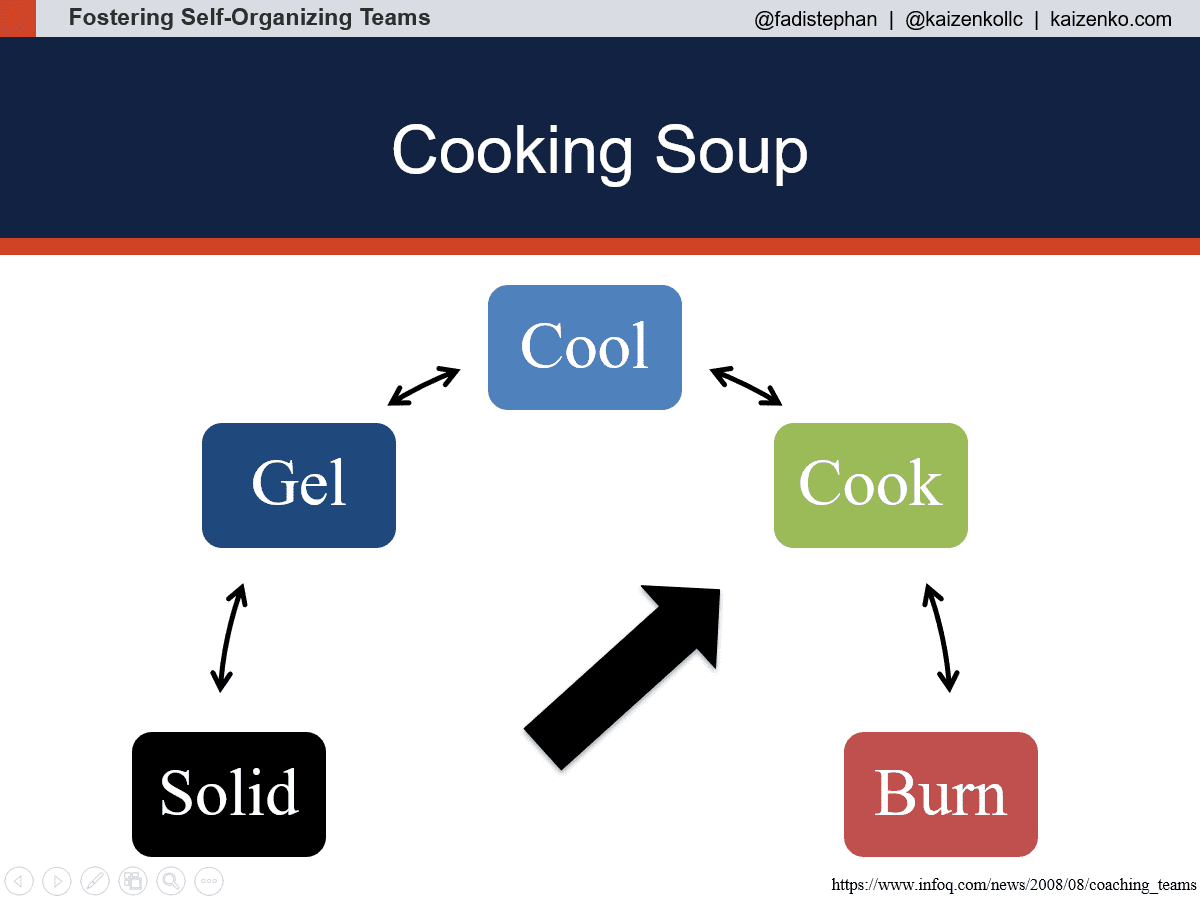
ScrumMaster Cooking Chicken Soup Metaphor

The ScrumMaster’s Role in Fostering a High Performing Self-Organizing Team

In the journey toward team excellence, ScrumMasters and leaders play a pivotal role in developing high-performing teams. They serve as catalysts, coaches, and servant-leaders who create the conditions for teams to reach their full potential. But how exactly does a skilled leader guide a team toward high performance? Understanding the Journey to Team Excellence Effective ScrumMasters…

Comments Off on The ScrumMaster’s Role in Fostering a High Performing Self-Organizing Team
Read more about the article Drexler/Sibbet Team Performance Model
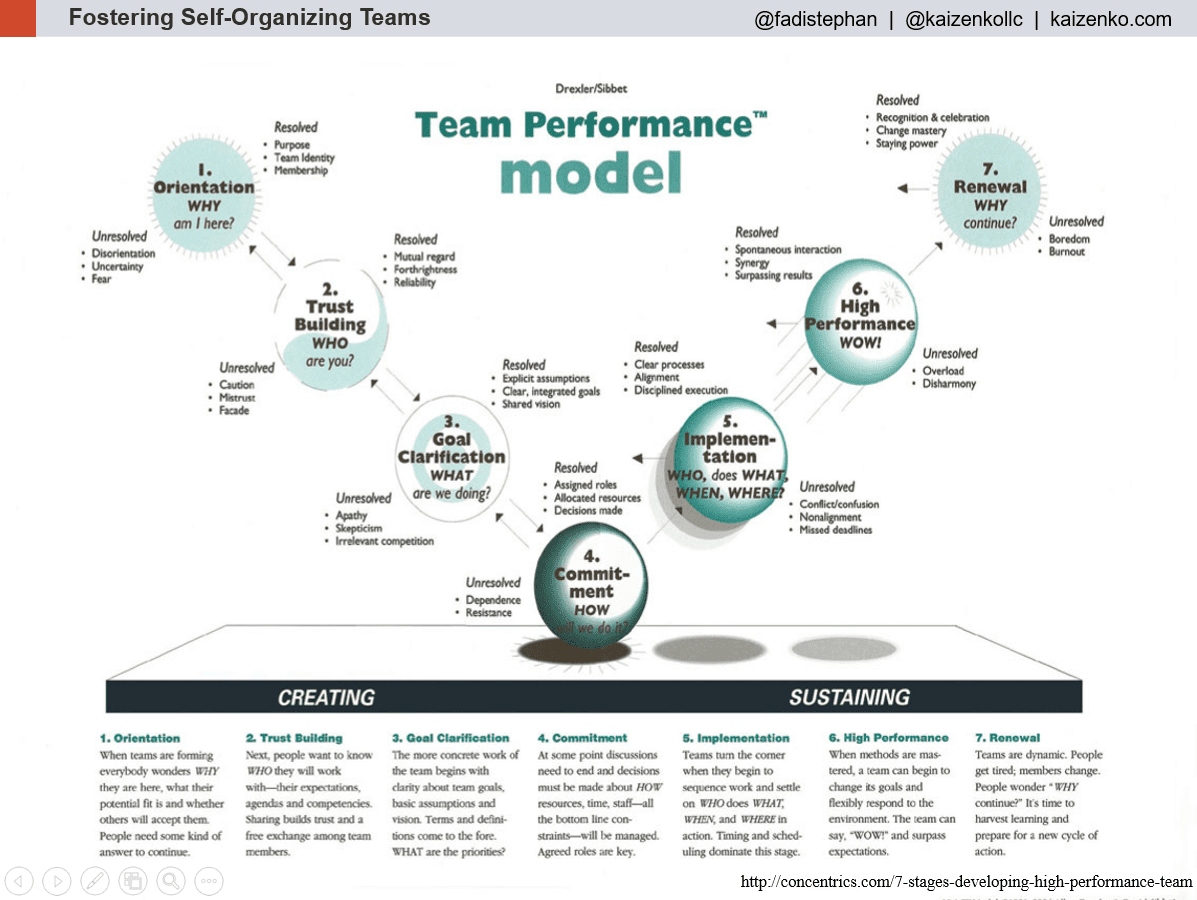
Drexler/Sibbet Team Performance Model

Drexler/Sibbet Team Performance Model

A Strategic Framework for Team Leadership Effective team leadership requires understanding how teams evolve and develop over time. While many leaders are familiar with Tuckman's stages, the Drexler/Sibbet Team Performance Model offers a more nuanced approach that focuses on the critical questions teams must answer to progress toward high performance. This powerful framework helps leaders identify…

Comments Off on Drexler/Sibbet Team Performance Model
Read more about the article The 5 Stages of a High-Performing Team: Tuckman’s Group Model
Tuckman's Stages of Group Development

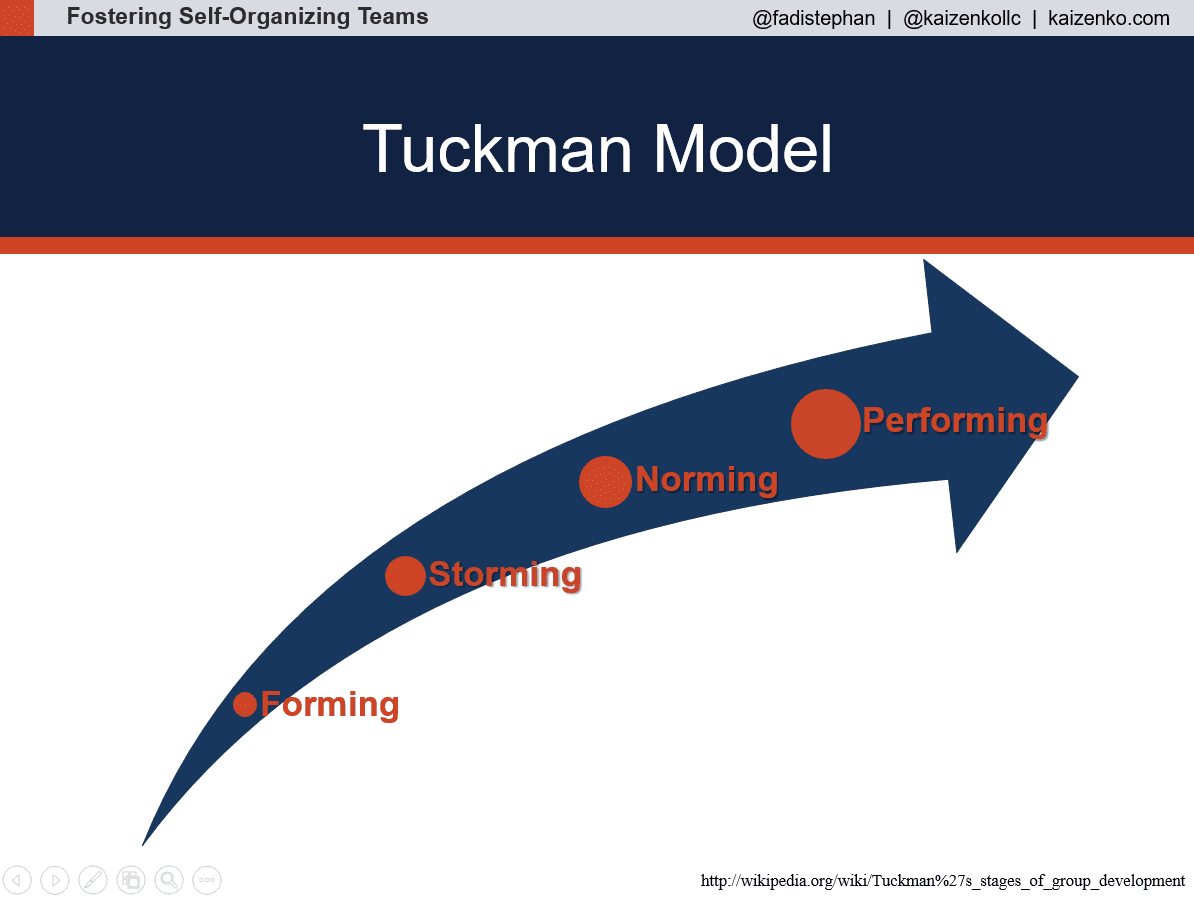
The 5 Stages of a High-Performing Team: Tuckman’s Group Model

A Leader's Guide to the Tuckman Model of the 5 Stages of Team Development Understanding how teams develop over time is essential for effective team leadership. Dr. Bruce Tuckman's renowned model of group development provides a framework that has guided team leaders for decades. Previously, we looked at individual development. Now let’s look at team development…

Comments Off on The 5 Stages of a High-Performing Team: Tuckman’s Group Model
Read more about the article Situational Leadership
Situational Leadership

Situational Leadership

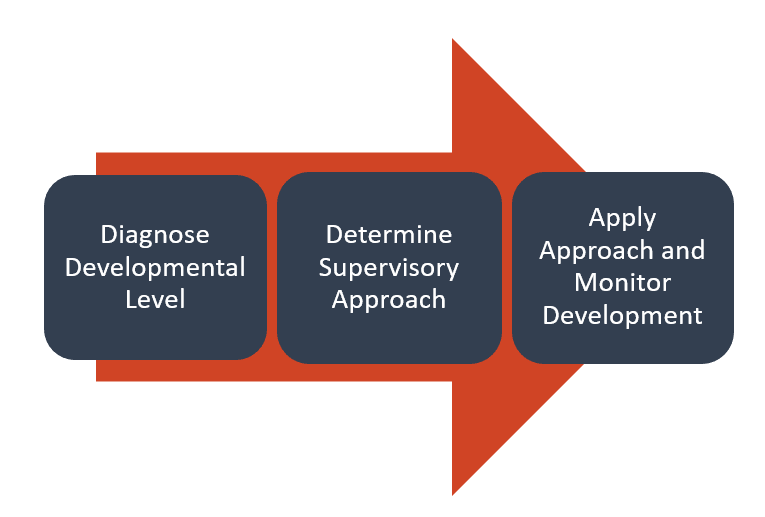
Adapting Your Leadership Style for Maximum Team Performance Effective leadership isn't about applying a single approach to every situation and team member. The most successful leaders understand that flexibility is key and adjust their leadership style based on the specific needs, competence, and commitment levels of each individual they're working with. This adaptable approach, known as…

1 Comment