Incremental Product Funding: How Validated Learning Protects Your Product Investment

Every product investment starts with something the organization believes in. The budget gets approved, the team gets staffed, and the work begins. Then the product launches and falls flat. The postmortem reveals that customers didn't need it, didn't want it, or weren't willing to pay for it. The budget is gone, and the organization is left…

Comments Off on Incremental Product Funding: How Validated Learning Protects Your Product Investment

WSJF and Cost of Delay: Prioritizing for Economic Value Throughput

Part 3 of the Prioritization Series Previously in this series: Part 1 covered foundational techniques like MoSCoW and Impact/Effort. Part 2 covered scoring frameworks: ICE, RICE, and Weighted Scoring. The scoring frameworks from Part 2 help you rank work by value, but they have no way to account for what delay costs the business. Sequencing decisions…

Comments Off on WSJF and Cost of Delay: Prioritizing for Economic Value Throughput

What Does Value Mean in Product Development? It Depends on Your Product’s Strategic Context

Ask ten people in a product organization what value means, and you will get ten different answers. The head of engineering points to reliability. The product manager points to adoption. The CFO points to margin. The customer success lead points to retention. Everyone is partially right, and the disagreement is rarely resolved because the underlying question…

Comments Off on What Does Value Mean in Product Development? It Depends on Your Product’s Strategic Context

When The Product Owner Isn’t Really A Product Owner

The Product Owner accountability, as originally defined, gives one person complete ownership of a product: understanding customers, defining problems worth solving, shaping solutions, and prioritizing work. They have strategic autonomy, budget authority, and accountability for outcomes. In practice, organizations use Product Owner as a catch-all title for anyone managing product work, regardless of actual authority or…

Comments Off on When The Product Owner Isn’t Really A Product Owner

Scoring Frameworks: ICE, RICE, and Weighted Scoring for Product Prioritization

Prioritization techniques like MoSCoW and Impact/Effort (covered in Part 1) work for initial filtering, but they don't produce comparable scores across items or account for multiple factors systematically. Scoring frameworks solve this by assigning numerical values based on defined criteria, creating repeatable prioritization without requiring financial data. This guide covers three widely-used frameworks: ICE scoring, RICE…

Comments Off on Scoring Frameworks: ICE, RICE, and Weighted Scoring for Product Prioritization

4 Prioritization Techniques To Support Your Product Decisions

Every product team faces the same challenge: infinite demand, finite capacity. Stakeholders believe their requests are urgent, sales wants features that close deals, engineering wants to fix technical debt, and leadership wants strategic initiatives. Everyone has a compelling case for why their work matters most. The natural response is to rely on gut feel or defer…

Comments Off on 4 Prioritization Techniques To Support Your Product Decisions

Cognitive Biases in Product Development: How Mental Shortcuts Derail Your Decisions

Product managers, team leaders, and development teams make hundreds of decisions every week. Which features to prioritize, what user feedback to act on, how to interpret analytics data, when to pivot strategy or stay the course. We believe these decisions are rational, data-driven, and objective, but they rarely are. Your brain relies on mental shortcuts when…

Comments Off on Cognitive Biases in Product Development: How Mental Shortcuts Derail Your Decisions

How to Write a Product Positioning Statement: Template and Examples

Most product teams cannot clearly explain what makes their product different. Sales conversations require too much explanation. Marketing messages fail to resonate. Executives, product managers, and sales directors describe the value proposition differently when asked. The root cause is unclear positioning. Geoffrey Moore's positioning statement template from "Crossing the Chasm" solves this problem by forcing you…

Comments Off on How to Write a Product Positioning Statement: Template and Examples

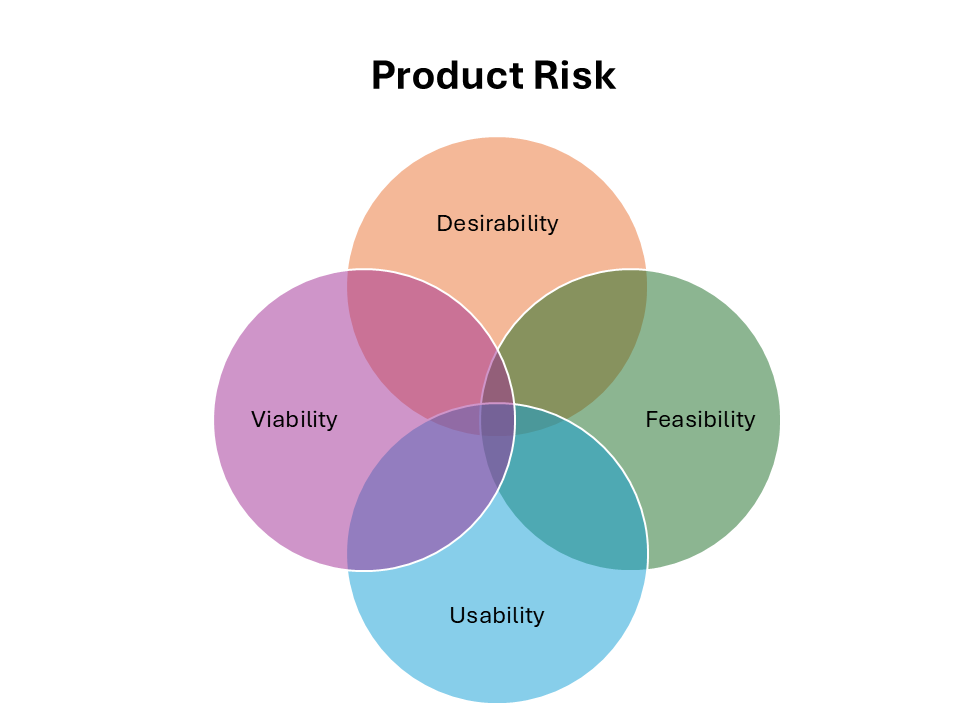
Product Risk Management: The 4 Types Every Product Manager Must Master

Product management is risk management. While most product managers focus on building features users want, success requires navigating four distinct risk types that can derail even promising ideas: desirability, feasibility, usability, and viability risks. Understanding how to identify, validate, and manage these product development risks separates successful products from expensive failures. Desirability Risk: Validating Customer Demand…

Comments Off on Product Risk Management: The 4 Types Every Product Manager Must Master

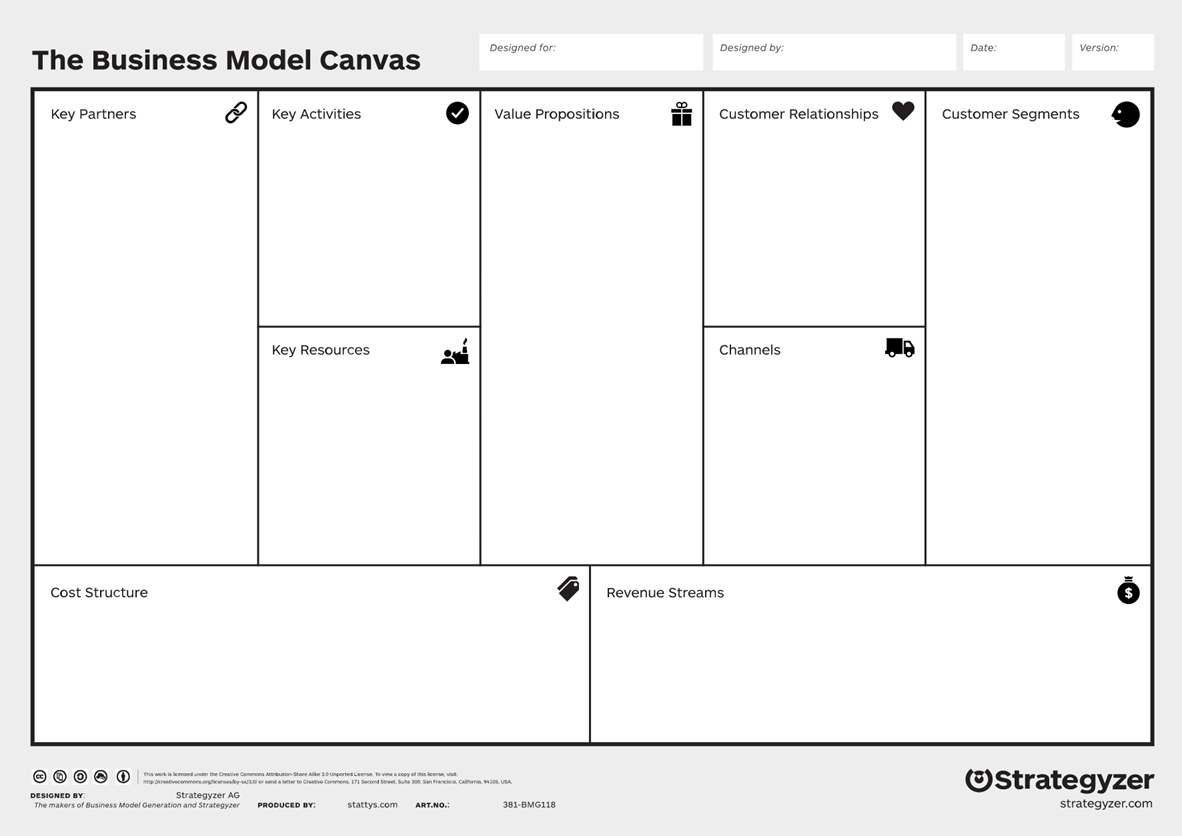
Business Model Canvas: A Strategic Framework for Product Managers

Business Model Canvas: A Strategic Framework for Product Managers You're proposing a new product line that requires subscription pricing instead of one-time purchases. The CFO asks how this affects revenue predictability. The CMO wants to know if it changes customer acquisition costs and strategies. The CTO questions whether you need different billing and metering systems. Each…

Comments Off on Business Model Canvas: A Strategic Framework for Product Managers

The Product Manager’s Guide to Technical Debt: Understanding and Managing Code Quality

As a product manager, you've probably heard your engineering team mention "technical debt" during sprint planning or retrospectives. Maybe they've pushed back on a feature request, citing the need to "pay down technical debt first." Or perhaps you've noticed that what used to take two weeks now takes six, and when you ask why, the answer…

Comments Off on The Product Manager’s Guide to Technical Debt: Understanding and Managing Code Quality

Value Proposition Canvas Customer Profile Strategy: How Focus Drives Product Success

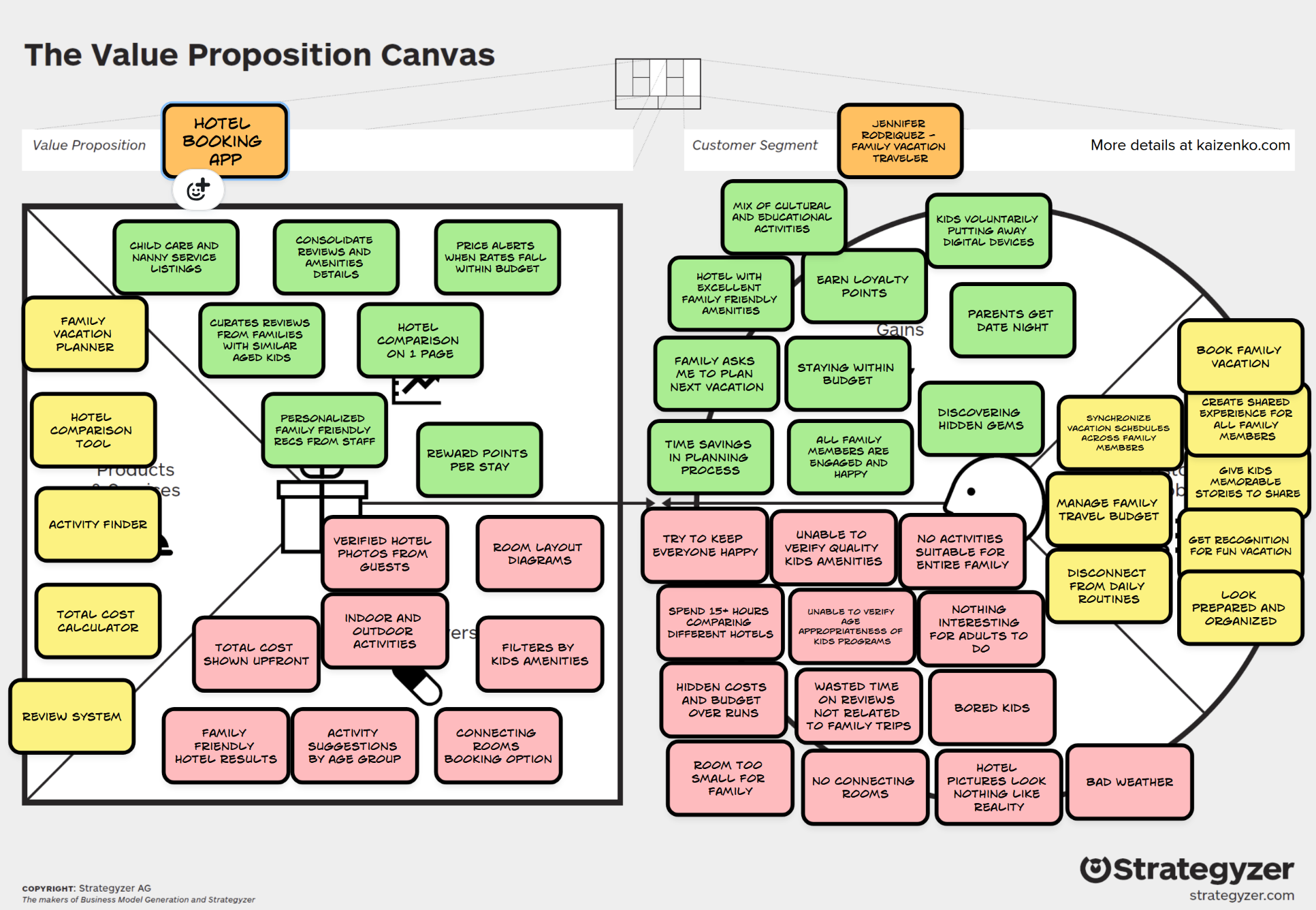
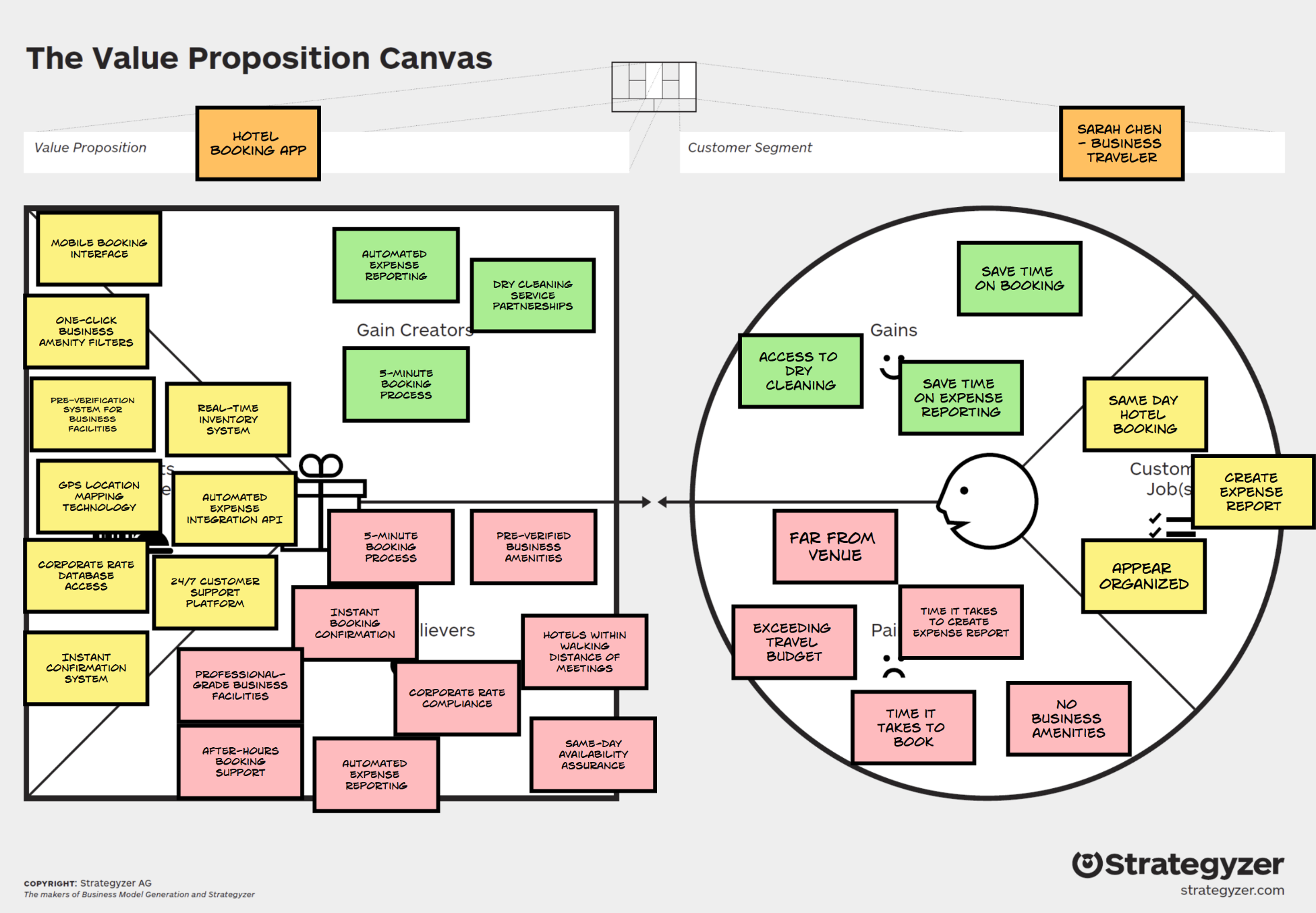
The Value Proposition Canvas helps product teams make a critical strategic decision for their products: should you serve multiple customer types with one product, or focus deeply on a single customer profile? This customer segmentation choice often determines whether products achieve remarkable market success or deliver mediocre results across multiple segments. Understanding how to leverage customer…

Comments Off on Value Proposition Canvas Customer Profile Strategy: How Focus Drives Product Success

Value Proposition Canvas: Essential Guide for Product-Market Fit

Many new products fail because they solve problems customers don't have or don't care about. The Value Proposition Canvas ensures you build what customers actually need. It is a strategic tool that helps companies transform customer insights into successful products by creating perfect alignment between customer needs and product offerings. What Is the Value Proposition Canvas?…

Comments Off on Value Proposition Canvas: Essential Guide for Product-Market Fit

How to Create Personas That Drive Product Decisions

Many product teams build personas that nobody uses. They spend weeks researching demographics and behaviors, create detailed profiles, then watch them gather dust while teams make decisions based on assumptions anyway. The problem isn't with personas themselves but with how teams build and implement them. Effective personas require specific structure and intentional integration into daily workflows.…

Comments Off on How to Create Personas That Drive Product Decisions

Jobs to Be Done Framework: The Product Manager’s Guide to Building Products Customers Actually Want

When a fast-food chain wanted to sell more milkshakes, they tried everything. New flavors. Different prices. Better marketing. Nothing worked. Then researchers asked a different question: "What job are people hiring a milkshake to do?" The answer revolutionized how we think about product development. The Jobs to Be Done (JTBD) framework examines why customers "hire" products…

Comments Off on Jobs to Be Done Framework: The Product Manager’s Guide to Building Products Customers Actually Want