Read more about the article The 5 Stages of a High-Performing Team: Tuckman’s Group Model
Tuckman's Stages of Group Development

The 5 Stages of a High-Performing Team: Tuckman’s Group Model

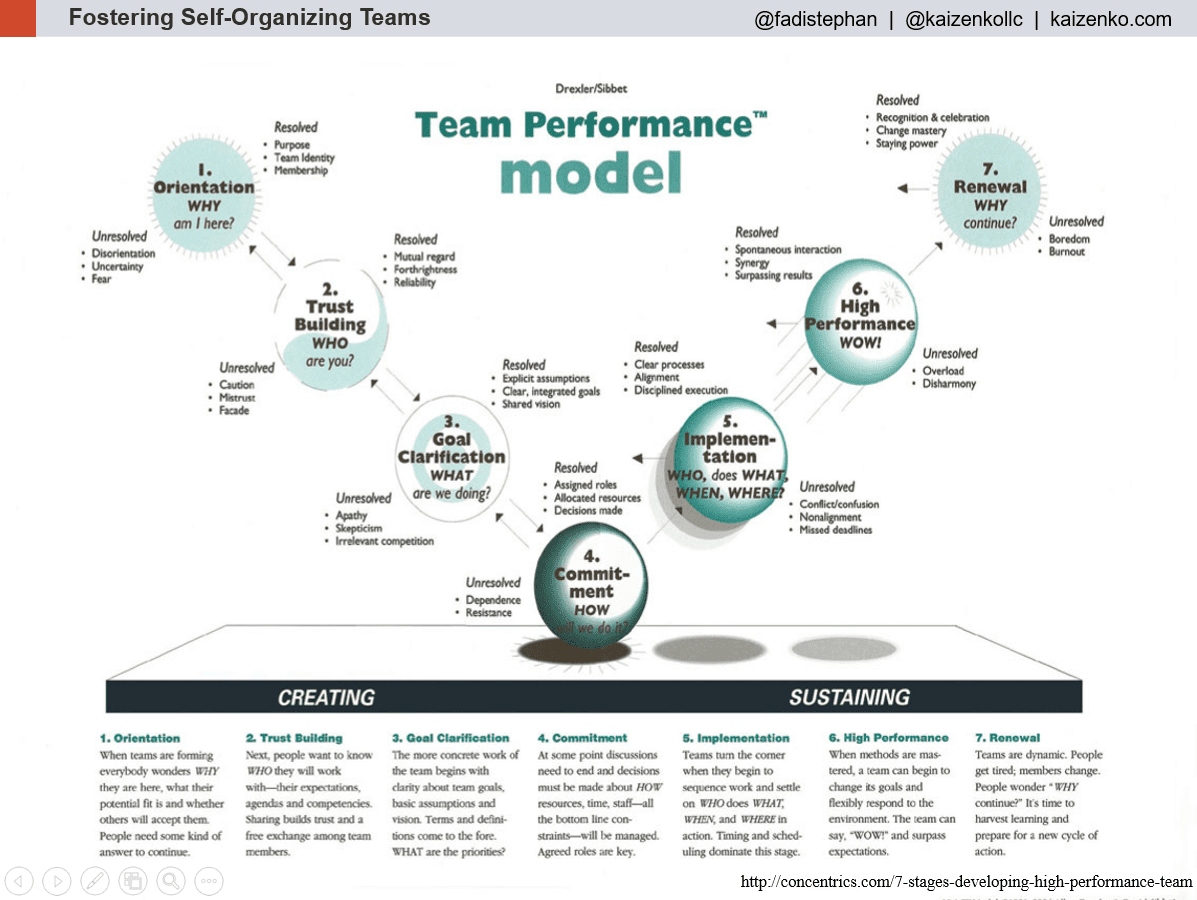
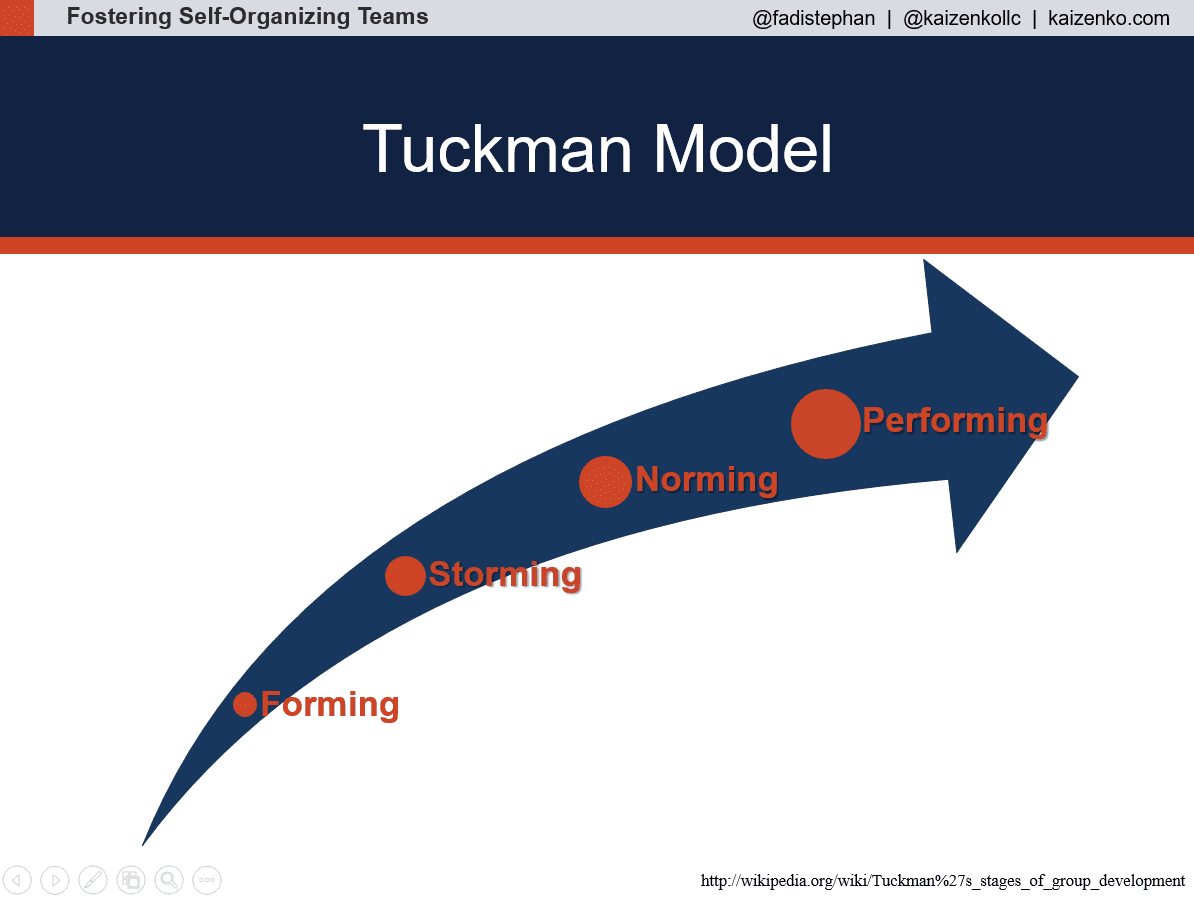
A Leader's Guide to the Tuckman Model of the 5 Stages of Team Development Understanding how teams develop over time is essential for effective team leadership. Dr. Bruce Tuckman's renowned model of group development provides a framework that has guided team leaders for decades. Previously, we looked at individual development. Now let’s look at team development…

Comments Off on The 5 Stages of a High-Performing Team: Tuckman’s Group Model
Read more about the article Situational Leadership
Situational Leadership

Situational Leadership

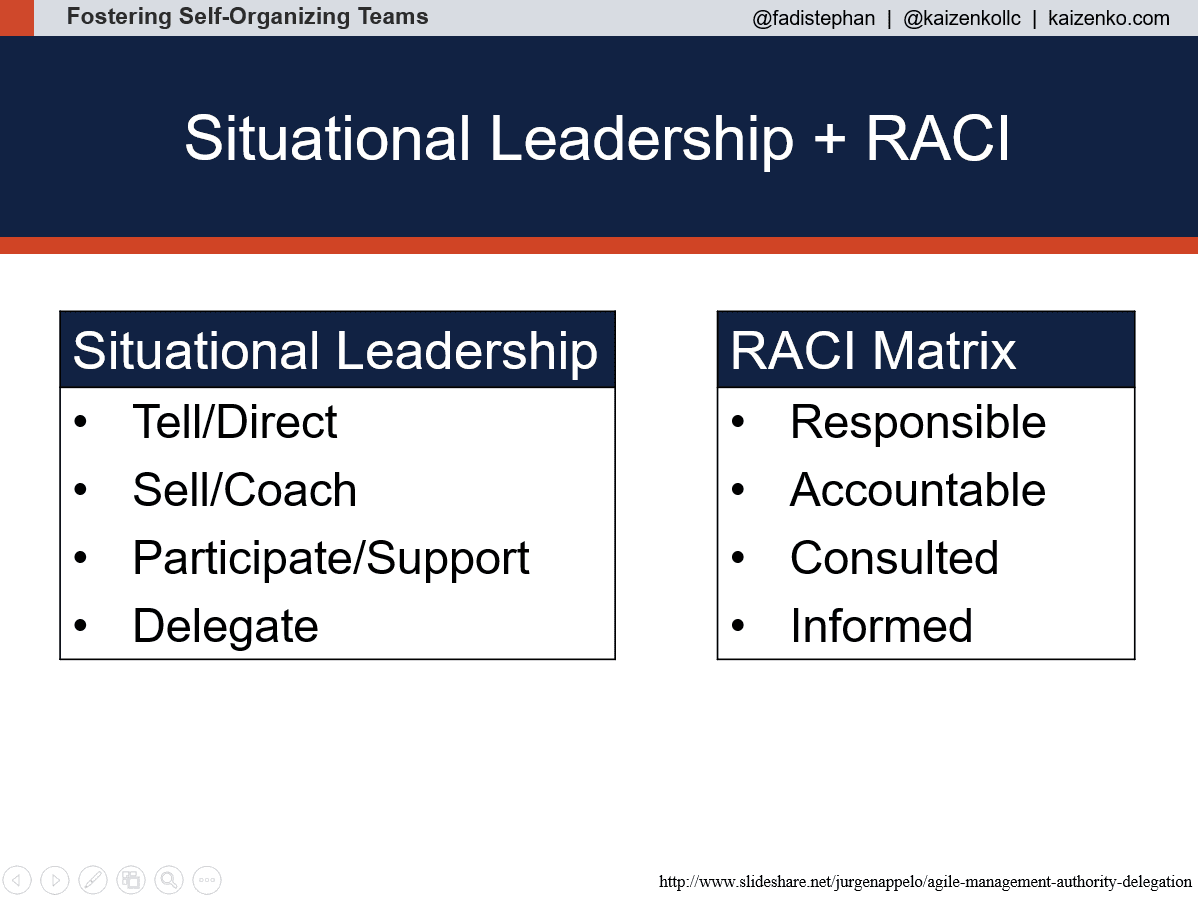
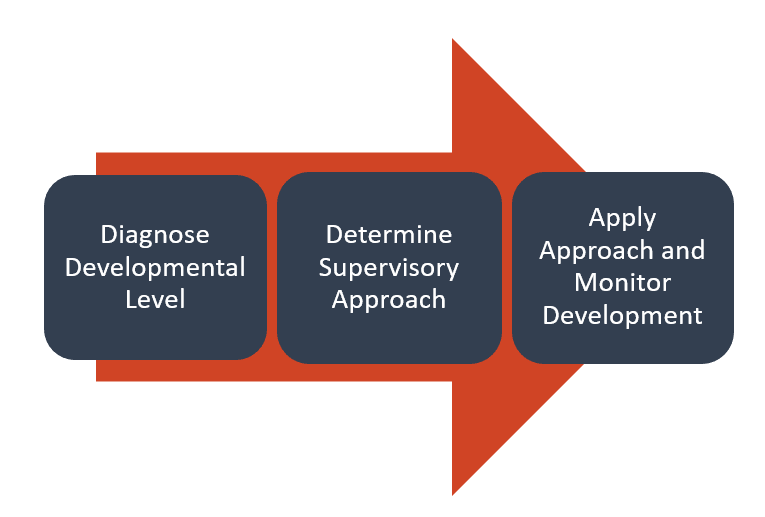
Adapting Your Leadership Style for Maximum Team Performance Effective leadership isn't about applying a single approach to every situation and team member. The most successful leaders understand that flexibility is key and adjust their leadership style based on the specific needs, competence, and commitment levels of each individual they're working with. This adaptable approach, known as…

1 Comment

The Dreyfus Model of Skills Acquisition

Understanding how team members develop skills is crucial for building high-performing self-organizing teams. While many leaders use intuitive approaches to assess skill levels, having a structured framework can dramatically improve how leaders support skill development. The Dreyfus Model of Skills Acquisition provides exactly this framework, a clear roadmap showing how individuals progress from novice to expert…

Comments Off on The Dreyfus Model of Skills Acquisition
Read more about the article The 3 Stages of Shu Ha Ri for Gaining Knowledge
ShuHaRi

The 3 Stages of Shu Ha Ri for Gaining Knowledge

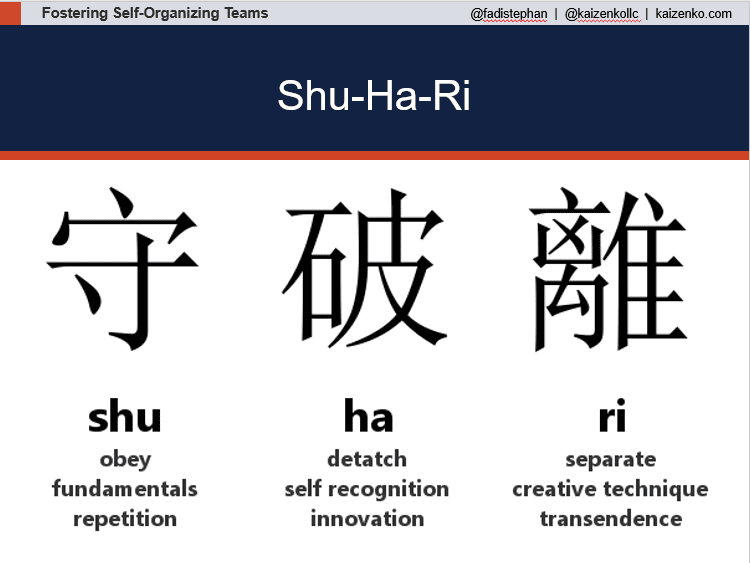
What is Shu Ha Ri? Every journey from novice to master follows a natural progression. Whether you're learning a new skill, adopting a methodology, or developing as a leader, understanding the stages of learning can help you navigate your development pathway more effectively. In Shu-Ha-Ri, there are 3 stages to gaining knowledge. Alistair Cockburn popularized these…

Comments Off on The 3 Stages of Shu Ha Ri for Gaining Knowledge
Read more about the article 3 Models for Skills Acquisition
Models for Skills Acquisition

3 Models for Skills Acquisition

Before we talk about how teams mature, let’s first discuss how individuals grow. After all, a team in composed of individuals and to understand how to get a team to a certain level we need to understand how individuals learn and grow. We'll look at 3 models: Shu-Ha-Ri: an adaptation of the Japanese martial art concept…

Comments Off on 3 Models for Skills Acquisition
Read more about the article Scrum Magic! Do Scrum – Become Hype-productive!
The Scrum Magic Word

Scrum Magic! Do Scrum – Become Hype-productive!

Twice the Work in Half the Time Jeff Sutherland, one of the co-creators of Scrum and one of the original authors of the Agile Manifesto uses the term Hyper-productive team. And everyone hears what he says about producing twice the work in half the time and they are like yes! We want that! Let’s do Scrum…

Comments Off on Scrum Magic! Do Scrum – Become Hype-productive!
Read more about the article What is a Self-Organizing Team?
Building High Performing Teams

What is a Self-Organizing Team?

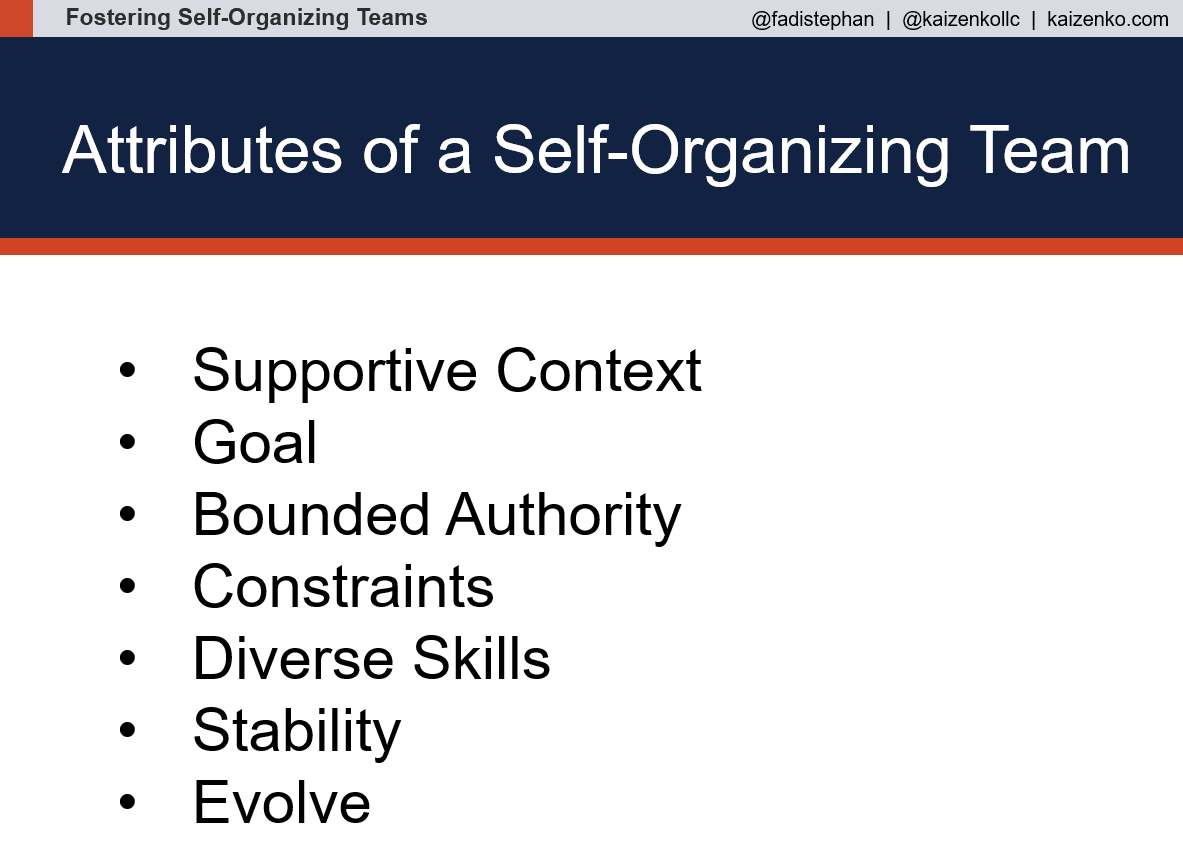
Before we look into self-organizing teams, let's first take a look at common misconceptions about teams, self-organization and self-management. Common Misconceptions of Self-Organizing Teams A Team is just a group of people working together It’s common thought that if you bring a group of people together, they will form a team. However, that is just a…

Comments Off on What is a Self-Organizing Team?

The Art of Storytelling – User Story Smells and Anti-patterns Presentation

I presented on The Art of Storytelling - User Stories Smells and Anti-patterns at the Agile2016 conference held in Atlanta, GA. I'd previously presented variations of this talk at 2015 Global Scrum Gathering in Pargue, Czech Republic and the 2015 Agile Development Practices Conference in Las Vegas, NV. Below is the abstract, along with the slides…

Comments Off on The Art of Storytelling – User Story Smells and Anti-patterns Presentation

9 User Story Smells and Anti-patterns

1. Thinking that everything is a user story Many mistakenly believe that if you are Agile or using Scrum, then you must use user stories and no other format is acceptable. User stories are not required in Scrum. Product Backlog Items can take any format. User stories are a recommended technique due to some benefits over…

Comments Off on 9 User Story Smells and Anti-patterns

What’s the Most Important Part of a User Story?

Looking at the user story template, which part of the user story is the most important? Is it the Who, What, Why, How, or Acceptance Criteria? The How Let’s first look at the How – It’s important to note that the user story does not contain details about the How. Generally, the how are technical tasks…

Comments Off on What’s the Most Important Part of a User Story?

Top 5 Techniques for Splitting a User Story

When splitting user stories, we should always split them vertically as if we are slicing a piece of cake. The whole cake is a cake and each vertical slice is a piece of cake with all it’s layers. A horizontal slice might just have the icing, or maybe just the filling, or just the crust and…

Comments Off on Top 5 Techniques for Splitting a User Story

What’s the Right Size for a User Story

Product Backlog Items (PBIs) or user stories should be small. Small stories provide focus for the team and gives members the flexibility to adjust and adapt to changes. The larger the story, the higher the risk of team members getting lost in the details and creating bottlenecks as members are busy and unavailable to collaborate and…

1 Comment

Top 3 Reasons to Split a User Story

Here are the top 3 reasons to split a user story: Size – Large user stories need further refinement to break them down into more manageable pieces. Key indicators that a user story is too large are if the estimate is greater than the Sprint duration, or if the estimate is greater than the remaining time…

Comments Off on Top 3 Reasons to Split a User Story

The 6 Attributes of Effective User Stories – INVEST

Bill Wake came up with the INVEST acronym to help us remember guidelines for writing effective user stories: Independent, Negotiable, Valuable, Estimatable, Small, and Testable. Invest As much as possible, try to make sure that stories are not interdependent as this might lead to prioritization and planning problems. Independent is different from the logical order of…

3 Comments

Top 5 Advantages of User Stories

Before we look at why use user stories, let’s first start by looking at other common requirement gathering techniques. 1st, there is the IEEE 830 with “The system shall… “, The system shall do this…, the system shall do that, and my favorite, the system shall be bug free 😊. We typically start out with an…

Comments Off on Top 5 Advantages of User Stories